
Will My Child Make Friends at Summer Camp? A Guide for First-Time Campers
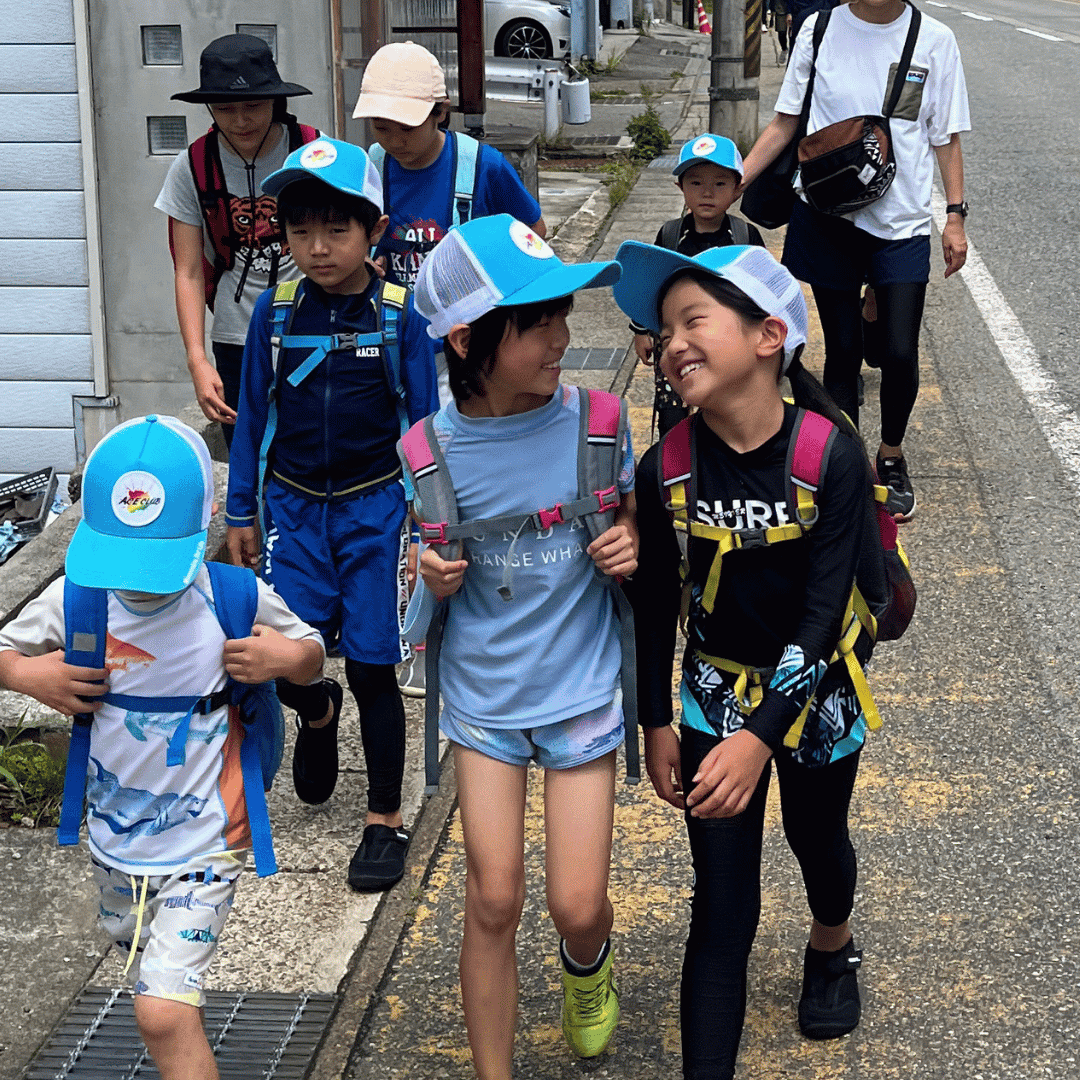
Sending your child to summer camp for the first time can feel like a big step.
One of the most common concerns parents have is simple—and completely understandable:
“What if my child doesn’t know anyone… will they be okay?”
If that’s on your mind, you’re not alone. In fact, for many families, this is the deciding factor when choosing whether to join a camp.
Let’s walk through what really happens—and why summer camp is often where some of the strongest friendships begin.
Do Most Kids Come to Camp Alone?
Yes—more than you might expect.
Many children join camp without knowing a single person. While a few may come with a friend or sibling, the majority are stepping into a completely new environment.
And that’s actually what makes camp so special.
Because everyone is in the same situation, it creates a level playing field. No existing cliques. No established groups. Just kids meeting each other for the first time.
→ Explore our upcoming summer camps here
What If My Child Is Shy?
This is another big worry for parents.
The reality is: shy kids often benefit the most from the camp experience.
Why?
Because camp is designed to gently bring kids together through shared activities—not forced socializing.
Instead of saying “go make friends,” camps create natural opportunities, like:
Team challenges
Group games
Outdoor adventures
Cabin or small group bonding time
These environments take the pressure off and allow friendships to form organically.
It’s not about being outgoing—it’s about being included.
How Do Friendships Form So Quickly at Camp?
There’s something unique about the camp environment.
In just a few days, kids often build connections that might take weeks or months in everyday life.
Here’s why:
1. Shared Experiences
Whether it’s trying something new, overcoming a small fear, or laughing through a game, shared moments create instant bonds.
2. Constant Interaction
Unlike school, where kids separate into classes and routines, camp keeps groups together throughout the day.
More time together = faster connections.
3. A Supportive Environment
Camp staff actively encourage teamwork, kindness, and inclusion. No one is left out.
4. A Little Bit of Challenge
Trying new things—especially in a second language or unfamiliar setting—naturally brings kids closer together.
→ View a sample of our camp activities and schedule
What About Kids From Different Backgrounds?
Another question parents often have is whether their child will “fit in,” especially when kids come from different schools, regions, or even countries.
In reality, this diversity becomes one of the biggest strengths of the experience.
Kids quickly learn that:
Everyone is a little different
Everyone is figuring things out together
Communication goes beyond just language
In many cases, these differences actually help friendships form faster, because kids are curious, open, and excited to connect.
What If My Child Feels Nervous at First?
That’s completely normal.
Almost every child feels a mix of excitement and nervousness on the first day.
But here’s what we often see:
Day 1: Quiet, unsure, sticking close to staff
Day 2: Starting to open up, joining activities
Day 3: Laughing, playing, and forming friendships
By the end: Not wanting to go home
It’s a process—and it happens faster than most parents expect.
The Transformation Parents Notice Most
One of the most common things parents tell us after camp is:
“I can’t believe how much more confident my child has become.”
And a big part of that confidence comes from social success.
Making new friends—especially in a new environment—gives children a sense of independence and self-belief that carries far beyond camp.
A Final Reassurance for Parents
But you can feel confident knowing:
They won’t be the only one arriving solo
The environment is designed to bring kids together
Staff are there to support, guide, and include every child
And more often than not, they’ll come home not just with memories for life—but with new friendships they’ll talk about for months.
